IHE Delft Institute for Water Education
Contact
Merlien Reddy
m.reddy@un-ihe.org
+31 15 215 1715
IHE Delft Institute for Water Education
Westvest 7
2611 AX Delft
Netherlands
www.un-ihe.org/research/laboratory
About
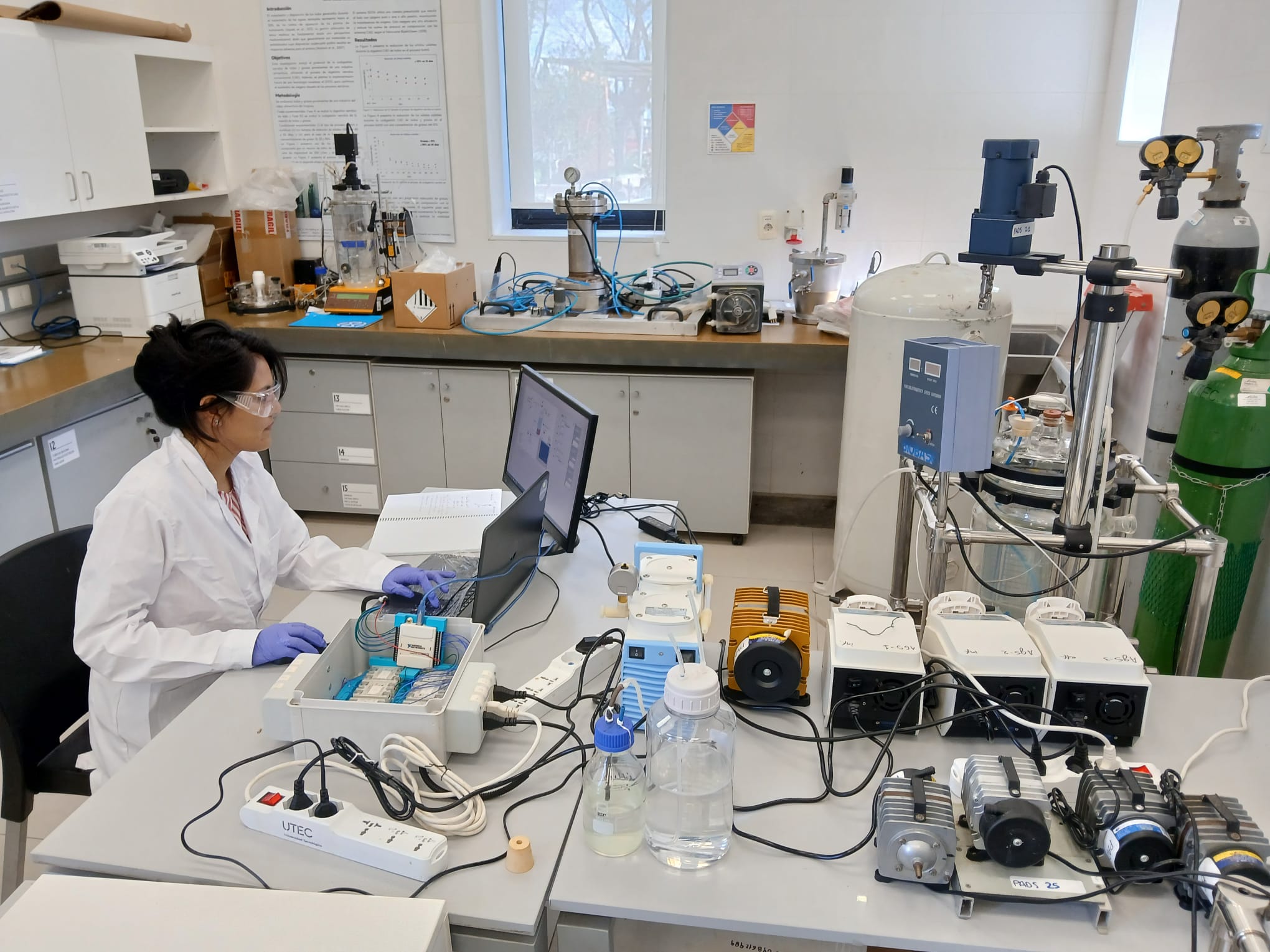
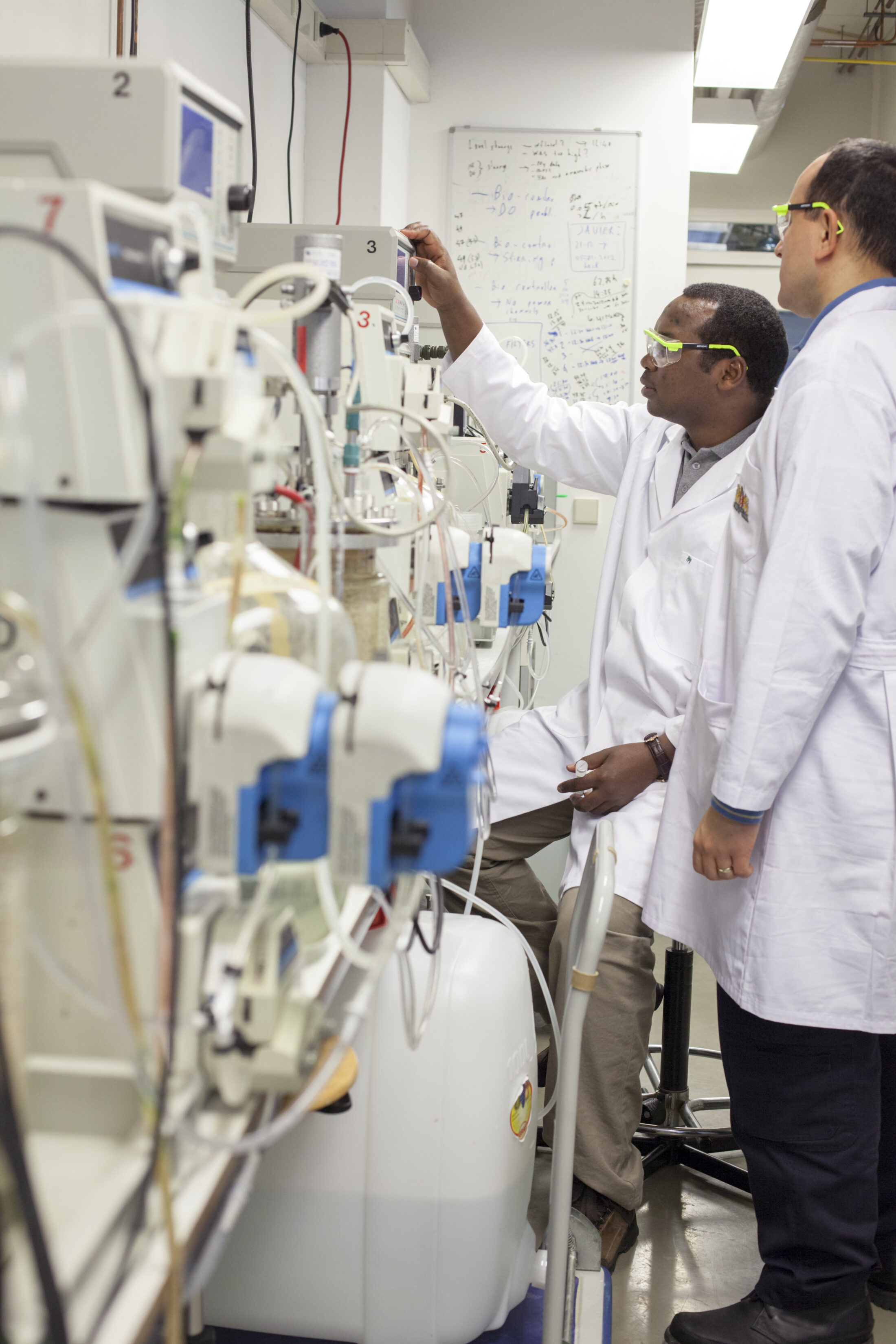
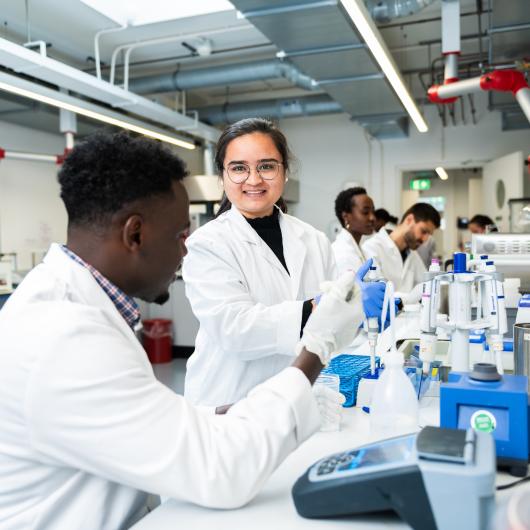
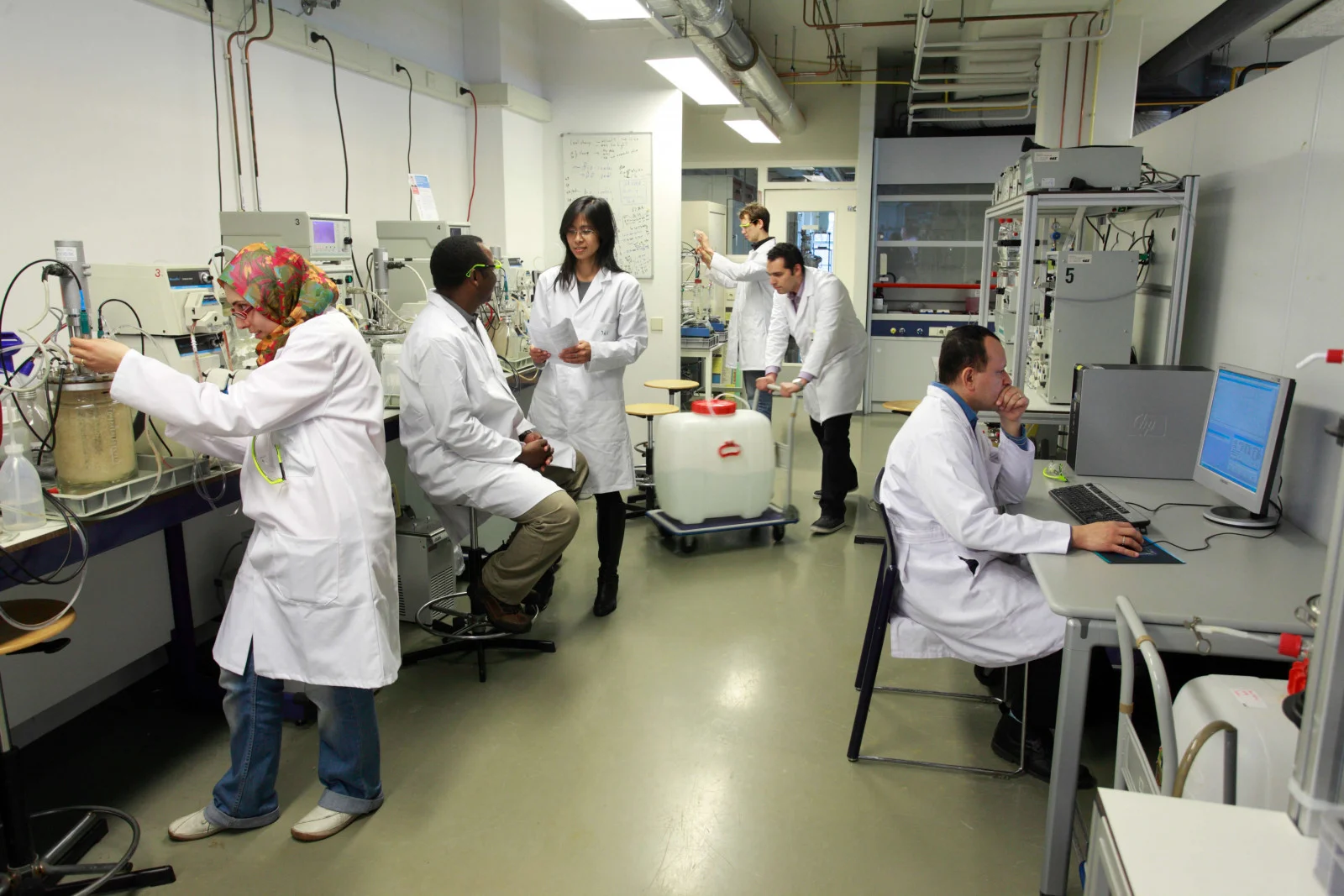
The new Laboratory for Faecal Sludge Analysis was opened at IHE Delft on 19 November 2018. It was equipped using funds from the ‘Global Sanitation Graduate School’ grant, provided by the Gates Foundation. In this facility, sanitation professionals and academics from all over the world can analyse, research and learn about the characteristics, use and re-use of human excreta, for the benefit of improving people’s health and quality of life. The lab, initiated in the framework of the Master of Science in Sanitation Program (2018-2022), and later the new Master of Science in Water for Sustainable Development Program, was designed for analytical work, teaching and training, as well as to support research.
IHE Delft Institute for Water Education
- Analysis
- Teaching
- Experimentation
Chemical and Physico-chemical Properties
| CHEMICAL PROPERTIES OF FAECAL SLUDGE | |
|---|---|
| Total solids and moisture content – volumetric and gravimetric method by oven drying | |
| Volatile and fixed solids – ignition method | |
| Total suspended solids and total dissolved solids – oven-drying method | |
| Volatile suspended solids – ignition method | |
| Total solids and moisture content – thermal balance (moisture analyser) method | |
| Sand content | |
| PHYSICAL PROPERTIES OF FAECAL SLUDGE | |
| Total solids and moisture content – volumetric and gravimetric method by oven drying | |
| Volatile and fixed solids – ignition method | |
| BIOLOGICAL PROPERTIES OF FAECAL SLUDGE | |
| Total solids and moisture content – volumetric and gravimetric method by oven drying | |
| Volatile and fixed solids – ignition method | |
Gallery